

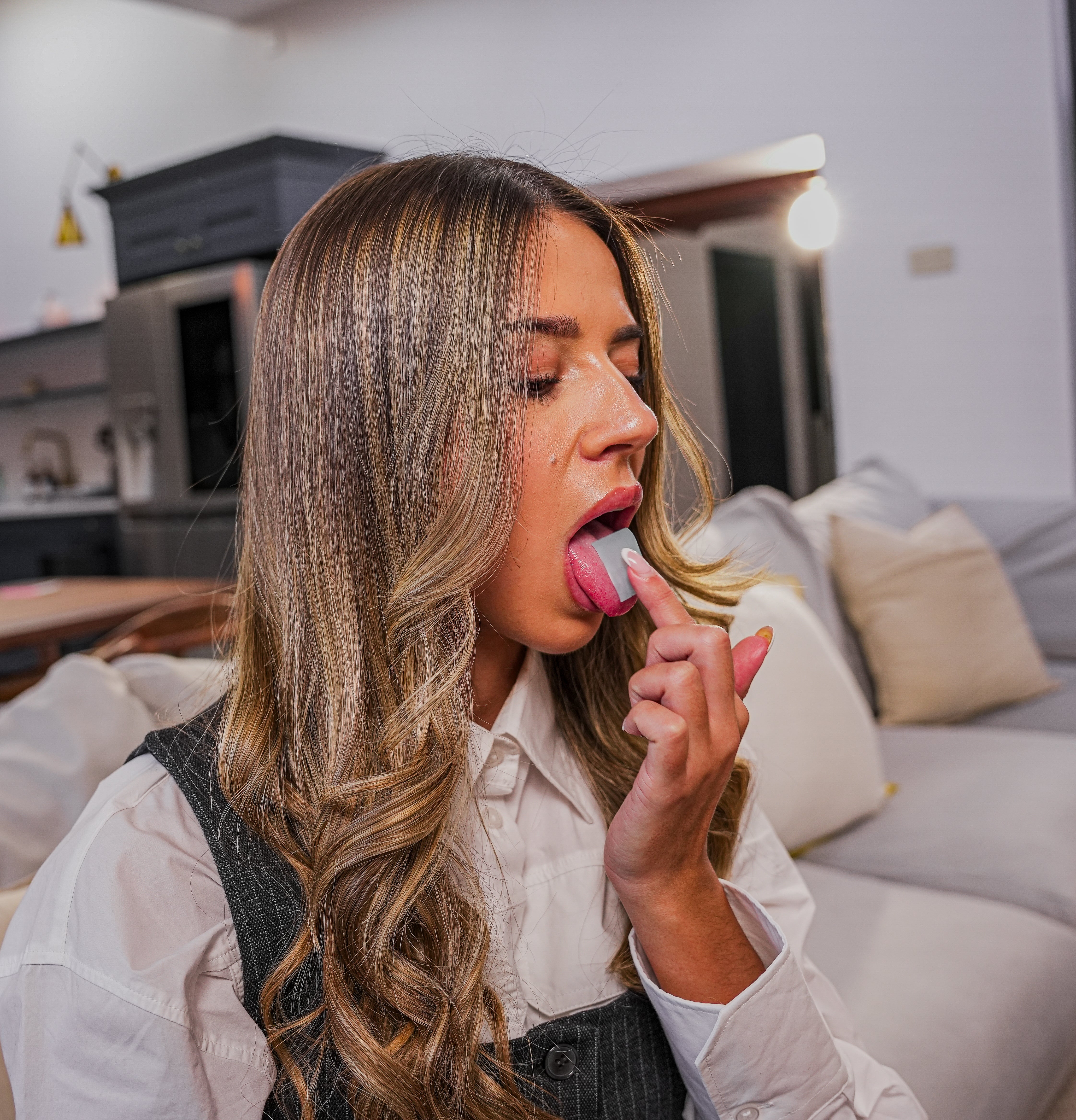
What Are Caffeine Pouches and How Do They Compare to Energy Drinks?
Caffeine pouches are one of the newest additions to the growing category of fast, convenient energy products but many people are still unsure how they work or how they differ from the energy drinks and coffees they’re familiar with. This guide breaks down what caffeine pouches are, how they deliver caffeine, and how they compare to more traditional sources of caffeine that adults use for focus, energy, and alertness.
What Exactly Are Caffeine Pouches?
Caffeine pouches are small, pre-portioned pouches designed to fit discreetly between the gum and lip. They typically contain:
-
Food-grade caffeine
-
Flavourings
-
Plant-based fibers (for the pouch material)
When placed in the mouth, the pouch slowly releases caffeine, which is absorbed through the oral tissue. There’s no swallowing required, and nothing needs to be chewed or heated.
Caffeine pouches are meant for adult consumers who already use caffeine in some form (coffee, tea, soda, etc.) and want an alternative way to experience it.
How Do Caffeine Pouches Work?
Instead of drinking caffeine, these pouches deliver it orally through the lining of the mouth.
Consumers often describe them as:
-
Fast-acting
-
Convenient
-
Portable
-
Low-calorie or zero-calorie (depending on the product)
Different users may experience caffeine differently depending on factors like tolerance, metabolism, and how much caffeine they typically consume.
Caffeine Pouches vs. Energy Drinks: What’s the Difference?
While both deliver caffeine, the format and experience are very different. Here’s a breakdown of the main differences.
1. Delivery Method
-
Caffeine pouches: Absorbed through oral tissues.
-
Energy drinks: Absorbed through digestion after swallowing.
2. Convenience & Portability
-
Caffeine pouches: No refrigeration, bottle, or sugar required therefore easy to carry and use almost anywhere.
-
Energy drinks: Require a can or bottle; less discreet; sometimes not allowed in certain workplaces or gyms.
3. Calories & Sugar
Most caffeine pouches contain little to no sugar and are often marketed as low-calorie.
Energy drinks vary widely. Some contain zero sugar, while others contain 20–50 grams of sugar per can.
4. Caffeine Content
Caffeine levels differ. For example:
-
Caffeine pouches: Often 20–100 mg per pouch
-
Energy drinks: Commonly 80–300 mg per can
The right choice depends on how much caffeine an adult is accustomed to consuming daily.
5. Flavour Variety
Both categories offer a wide range of flavours, including:
-
Fruit
-
Mint
-
Citrus
-
Coffee-inspired profiles
Flavour experience tends to be more subtle with pouches and more intense with energy drinks.
6. Situational Use
Adults might reach for:
-
Caffeine pouches when they need energy but can’t or don’t want to drink anything
-
Energy drinks when they want a cold beverage or additional stimulants like taurine or B-vitamins
Are Caffeine Pouches Safe?
Caffeine is a stimulant and should be consumed responsibly.
General considerations for adults include:
-
Not exceeding recommended daily caffeine limits
-
Understanding personal tolerance
-
Avoiding caffeine if sensitive to stimulants
-
Checking product labels for ingredients or allergens
If you have any concerns about caffeine intake or health effects, consult a healthcare professional.
Which Option Is Better?
Neither format is universally “better", they simply meet different needs.
Adults may prefer:
-
Caffeine pouches for quick, discreet energy
-
Energy drinks for flavour, hydration, or additional supplements
-
Coffee or tea for a traditional, ritual-like experience
The best choice is the one that fits an adult consumer’s routine, caffeine tolerance, and preferences.
Share:
Understanding Nicotine Strengths: How to Choose What’s Right for You.